Compounded peptides and medications
A compounded medication is prepared by a licensed pharmacy for an individual prescription rather than manufactured in a factory. It's how providers prescribe compounded peptides and other molecules that have no commercial version and adjust formulations to a patient — and it comes with its own rules: compounded medications are not FDA-approved, and quality depends on the pharmacy's standards.
These articles explain how compounding works, how it's regulated, and what that means for the treatments you're prescribed.
226 articles on this topic
-

PT-141 Nasal Spray: Why It Became an Injection
Bremelanotide really was developed as a nasal spray. That program was halted in 2007 over dose-related blood-pressure increases, and every version since has been a subcutaneous injection.
-

Semaglutide Cost: Brand, Self-Pay and Compounded
Wegovy lists near $1,350 a month and Ozempic near $1,040, while the manufacturer's own self-pay channel charges $349 and eligible Medicare beneficiaries now pay a $50 copay. Same molecule, four very different bills.
-

Semaglutide for Type 2 Diabetes: What Trials Show
Brand semaglutide is approved for glycemic control in adults with type 2 diabetes, and the trial record now runs past blood sugar into heart and kidney outcomes. Compounded semaglutide is a different thing again — here is what separates them.
-

Are Peptides Safe? What the Risk Depends On
Safety is not a property a molecule carries on its own. It belongs to the compound plus a dose, plus the vial it came from, plus the person injecting it, plus someone qualified who is accountable for the decision.
-

KLOW Peptide Dosage: Why the Blend Is Dosed as One
There is no universal dose for KLOW. Its four peptides come in one fixed-ratio vial, so a prescriber adjusts the finished blend rather than setting four separate component doses.
-

Semaglutide Brand Names: Ozempic, Wegovy, Rybelsus
Ozempic, Wegovy, and Rybelsus all contain semaglutide, but their approved uses and formats differ. Compounded semaglutide is not a brand or generic.
-

Compounded Semaglutide: What It Is in 2026
Compounded semaglutide is a patient-specific prescription, not a generic Ozempic or Wegovy. The ingredient form, dosing label, and post-shortage rules all matter.
-

Compounded Tirzepatide: Is It Legal in 2026?
Compounded tirzepatide can be prescribed in limited, patient-specific circumstances, but the shortage-era rules changed. Here is the line between section 503A compounding, brand-name products and grey-market vials as of August 2026.
-

Tirzepatide Brand Names: Mounjaro and Zepbound
The two U.S. tirzepatide brand names are Mounjaro and Zepbound, both made by Eli Lilly. They contain the same active ingredient but carry different approved uses; compounded tirzepatide is not a brand.
-

Get Tirzepatide Online With a Prescription
Getting tirzepatide online still requires a prescription. The legitimate routes all end at the same checkpoint: an authorized clinician reviews your case before a licensed pharmacy dispenses anything.
-

Tirzepatide Cost: What You Actually Pay
The brand-name list price runs about $1,086 a month. Almost nobody pays it — and the gap between that number and what you are actually quoted is where most of the confusion lives.
-

How to Get Prescribed Peptides
The process is shorter than most people expect and has exactly one step that decides everything: a licensed provider reads your medical history and either writes the prescription or tells you no.
-

Semaglutide Dosage: The 17-Week Ladder
The Wegovy injection schedule for weight management climbs through five doses over sixteen weeks before reaching 2.4 mg. That deliberate pace is the single best-supported way to make the first months tolerable.
-

Tirzepatide Dosage and the Titration Ladder
Every tirzepatide dose ladder starts at 2.5 mg and climbs in 2.5 mg steps no sooner than every four weeks. Understanding why that interval exists tells you most of what you need to know about your own schedule.
-
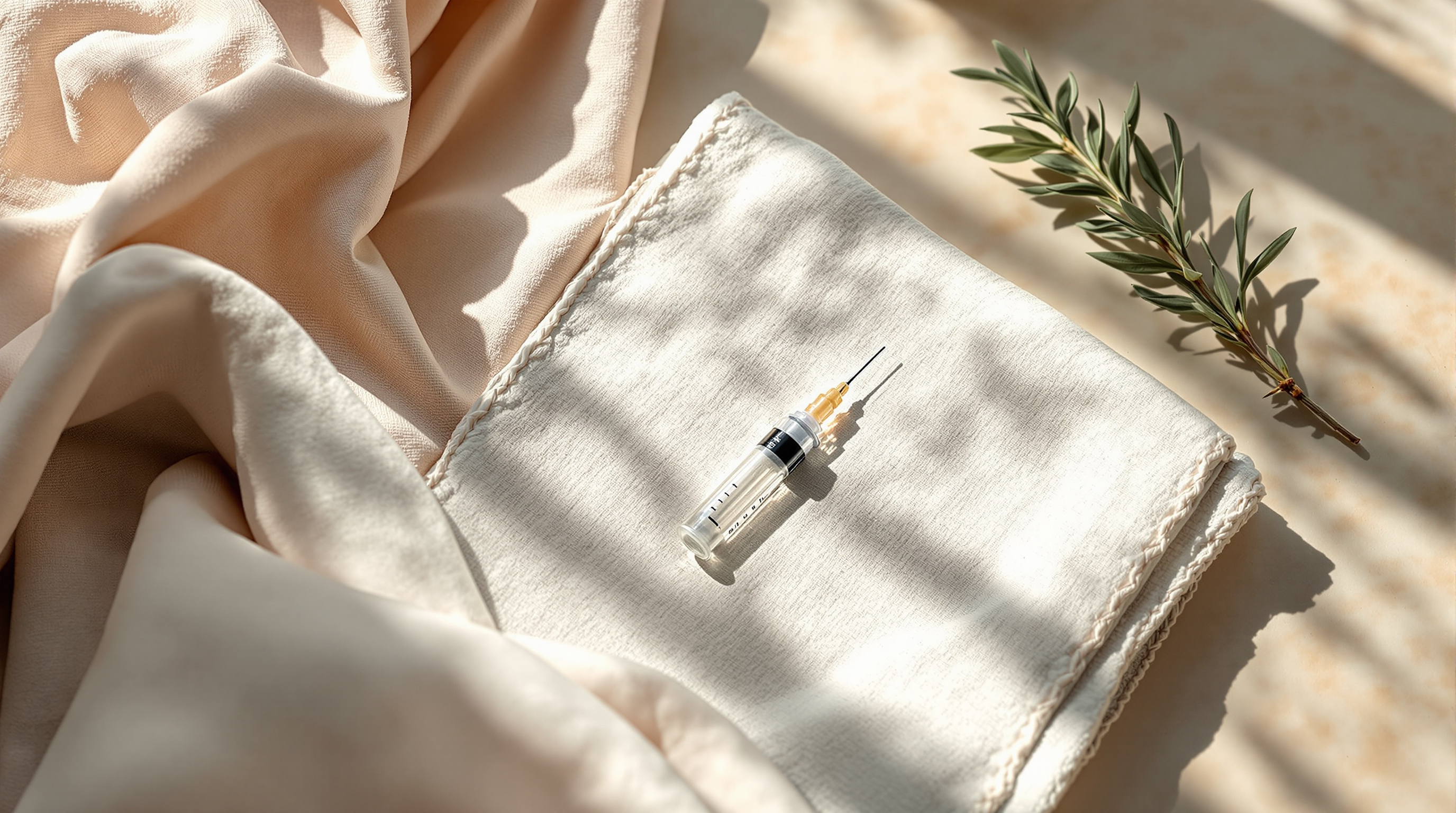
How to Reconstitute Peptides, Step by Step
What reconstitution involves, how the standard mixing technique works, and why your pharmacy's product-specific instructions govern every step.
-

Can You Buy Peptides Over the Counter?
No — pharmaceutical-grade peptides are prescription drugs in the U.S., and the FDA's late-2024 warning letters to sellers of research-use-only vials show how little that label protects buyers.
-

AOD-9604 Peptide: Fat-Loss Hype vs the Record
Six placebo-controlled trials in 893 obese adults — capped by a 536-subject study that missed its endpoints — ended AOD-9604's drug development in 2007.
-

KLOW Peptide Blend: Four Peptides, One Vial
KLOW combines four peptides — BPC-157, TB-500, GHK-Cu, and KPV — in one compounded vial, each mapped to a different phase of tissue repair.
-

BPC-157 Peptide Therapy: Evidence and Limits
BPC-157 has three decades of animal research behind it, one clinical study in the most recent systematic review, and a regulatory status most websites leave out.
-

BPC-157 vs TB-500: How the Repair Peptides Differ
Two peptides studied for tissue repair, two genuinely different mechanisms — and an evidence base that is still almost entirely preclinical. What separates BPC-157 from TB-500, and what neither has been shown to do yet.
Page 11 of 12 · 226 articles